
Before You Book
How to choose a massage therapist in Florida
Check the license, tell your doctor, and ask a few plain questions before you lie down on the table. Here is how each step works in Florida, and what the evidence says massage can and can't do.
The short answer
Start with the license: Florida licenses every massage therapist, and the Department of Health's public search shows whether a license is active. Tell your doctor you are trying massage. Before you book, ask about training, style and what a 60 minute session costs. During it, ask for lighter pressure if it hurts; the rare harms cluster around aggressive technique.
- of U.S. adults used massage therapy in 2022 (NCCIH)
- 10.9%
- used massage in 2002, so usage has more than doubled
- 4.8%
- plus D.C. require a license or certification to practice
- 45 states
- in the 2015 low-back review: short-term help, low-quality studies
- 3,096 people
- of continued therapy before fibromyalgia benefit shows (2014 review)
- 5 weeks
- in the migraine trial where hand massage changed nothing
- 83 people
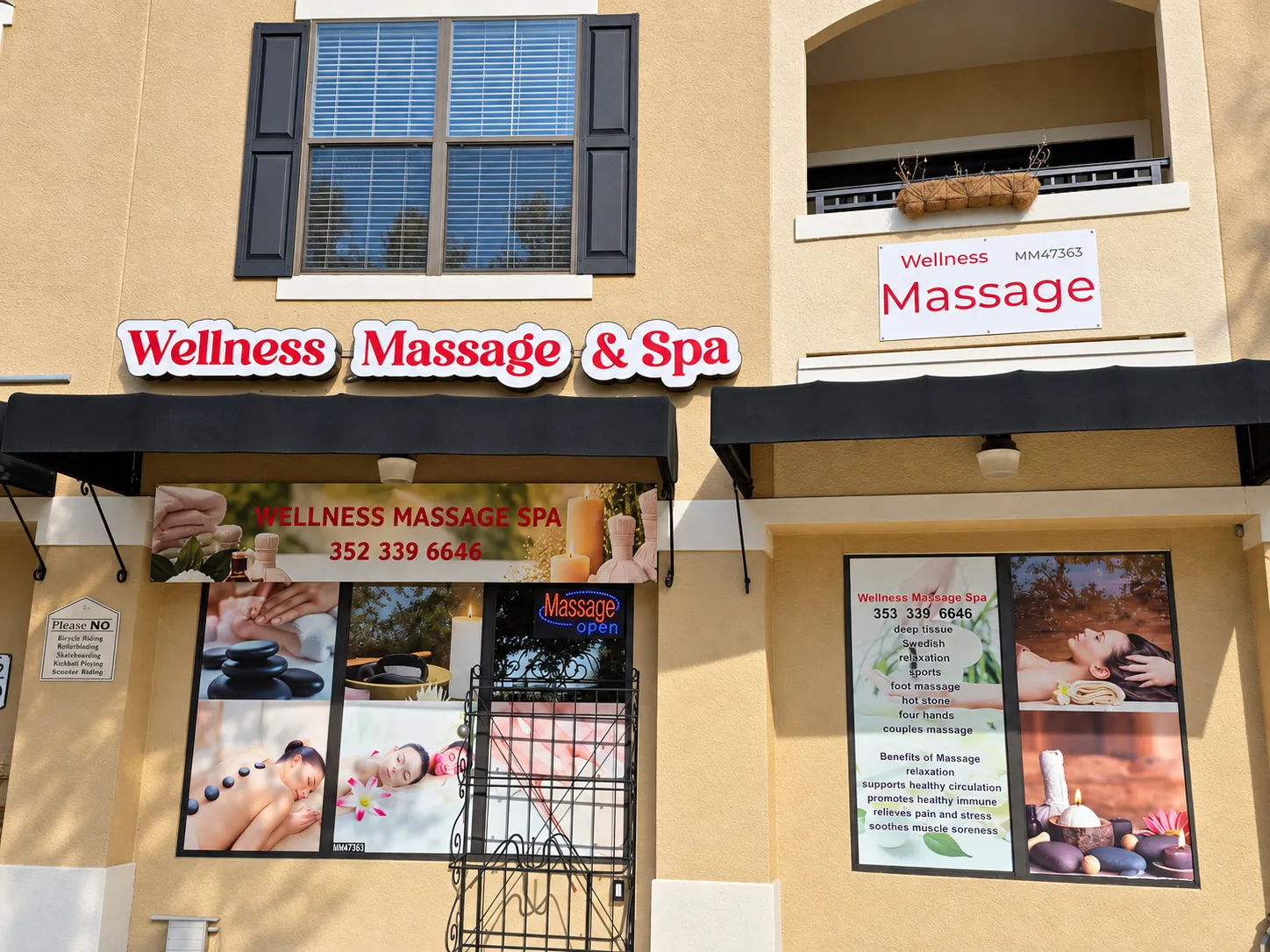
How do you check a massage therapist's license in Florida?
Look the therapist up on the Florida Department of Health license search. Start there, because Florida licenses every massage therapist and every massage establishment through the Florida Board of Massage Therapy. The site checks both the therapist and the business, and has a separate search for discipline and administrative actions.
Florida is one of the states that regulate the work, and not every state does. In 2022, 10.9 percent of U.S. adults used massage therapy, according to national survey data cited by the National Center for Complementary and Integrative Health (NCCIH), more than double the 4.8 percent who used it in 2002. NCCIH reports that 45 states and the District of Columbia regulate massage therapy. There, a therapist must hold a license or certification before practicing, and the typical requirement has 2 parts: graduation from an approved program and a passing exam score. That leaves several states with no state-level regulation at all.
Some therapists also hold a voluntary national credential from the National Certification Board for Therapeutic Massage & Bodywork, which sets 3 requirements: specific educational standards, a background check, and an exam. It adds to a state license and does not stand in for one. In Florida, the state license is the one the law requires, so check that first.
Should you tell your doctor before a massage?
Yes, and before the first session rather than after. NCCIH opens its list of 6 things to know about massage therapy with a warning: don't use massage therapy to postpone seeing a health care provider about a medical problem. A massage that eases your back pain for a few days can quietly talk you out of getting something checked that needed checking.
If you are unsure whether massage is right for you, NCCIH suggests raising it with your health care provider, who may also be able to help you choose a therapist. Mayo Clinic, which treats massage as an integrative therapy, gives the rule that comes with that category: tell your doctor you are trying massage and keep up your standard treatment. Massage runs alongside conventional care rather than replacing it.
Your doctor knows things the therapist does not: whether you are on a blood thinner, whether an ache in your calf could be a clot, whether your bones can take pressure. Passing that on costs you one short conversation.
However skilled the therapist is, they are working without your chart unless you hand them the relevant parts of it.
Who should be careful about getting a massage?
Anyone with a condition that pressure could make worse. Mayo Clinic names 6 situations that call for a word with your doctor first, from a recent heart attack to severe osteoporosis; they are listed below. For everyone else, NCCIH says the risk of harmful effects appears to be low, and that massage therapy appears to have few risks when performed by a trained practitioner.
The serious harms are rare but documented. NCCIH cites reports of 3 kinds: blood clots, nerve injury and bone fracture. Some of those cases involved vigorous techniques such as deep tissue massage, or people already at higher risk of injury, such as elderly people. With cancer patients, NCCIH notes, therapists may need to modify their usual approach, sometimes using less pressure in areas made sensitive by the disease or its treatment.
So tell the therapist about your health conditions, your medications, recent surgeries, and any area that is healing or tender. Mayo Clinic makes the same point about cancer care: a therapist treating someone with cancer has to take special precautions, "so finding a skilled therapist is important."
Does a massage have to hurt to work?
No. Mayo Clinic says you should not feel significant pain during a massage, though some forms can leave you a bit sore the next day. If the therapist is pushing too hard, ask for lighter pressure during the session. A good therapist wants that feedback and adjusts right away.
The research points the same way. When NCCIH summarized the evidence on massage for fibromyalgia, where a 2014 evaluation of 9 studies found the benefit depends on continuing therapy for at least 5 weeks, it flagged the review authors' view that the therapist should not cause pain. NCCIH also notes that a 2010 review found massaging preterm infants with moderate pressure may improve weight gain. At the other end of the scale, vigorous deep tissue work turns up in the rare reports of clots and fractures.
You can ask for that on any massage, deep tissue included. Our Deep Tissue Massage reaches deeper layers of muscle without always using deep pressure, and you choose the level. If a therapist argues when you ask for less pressure, that tells you something about the therapist.
More pressure can mean more risk without more benefit.
What should you ask a massage therapist before booking?
NCCIH's tips read almost like a script: ask about the therapist's training, experience and credentials, how many treatments your situation might take, what each session costs, and whether your insurance covers any of it. These are the questions the federal health agency on the subject tells you to ask, so no good therapist will mind them.
Ask about style too. "Massage therapy" covers many techniques, and NCCIH names 5: Swedish or classical massage, which it calls the most common form in Western countries and the core of most training programs; sports massage; clinical massage aimed at specific goals such as releasing muscle spasms; and the Eastern traditions Shiatsu and Tuina. The right style depends on what you want from the session.
If a practitioner gets cagey about training, credentials or cost, that tells you something too. Here is how to choose a massage therapist, in order:
- Check the license first. Search the therapist's name on the Florida Department of Health license search and confirm the license is active.
- Ask about training, experience and cost, including how many treatments your situation might take and whether insurance covers any of it.
- Ask: have you worked with my condition? This matters most for anyone with cancer, a recent injury or a fragile health situation, where technique has to be adapted.
- Ask: will you adjust pressure if I ask? The answer should be an immediate yes.
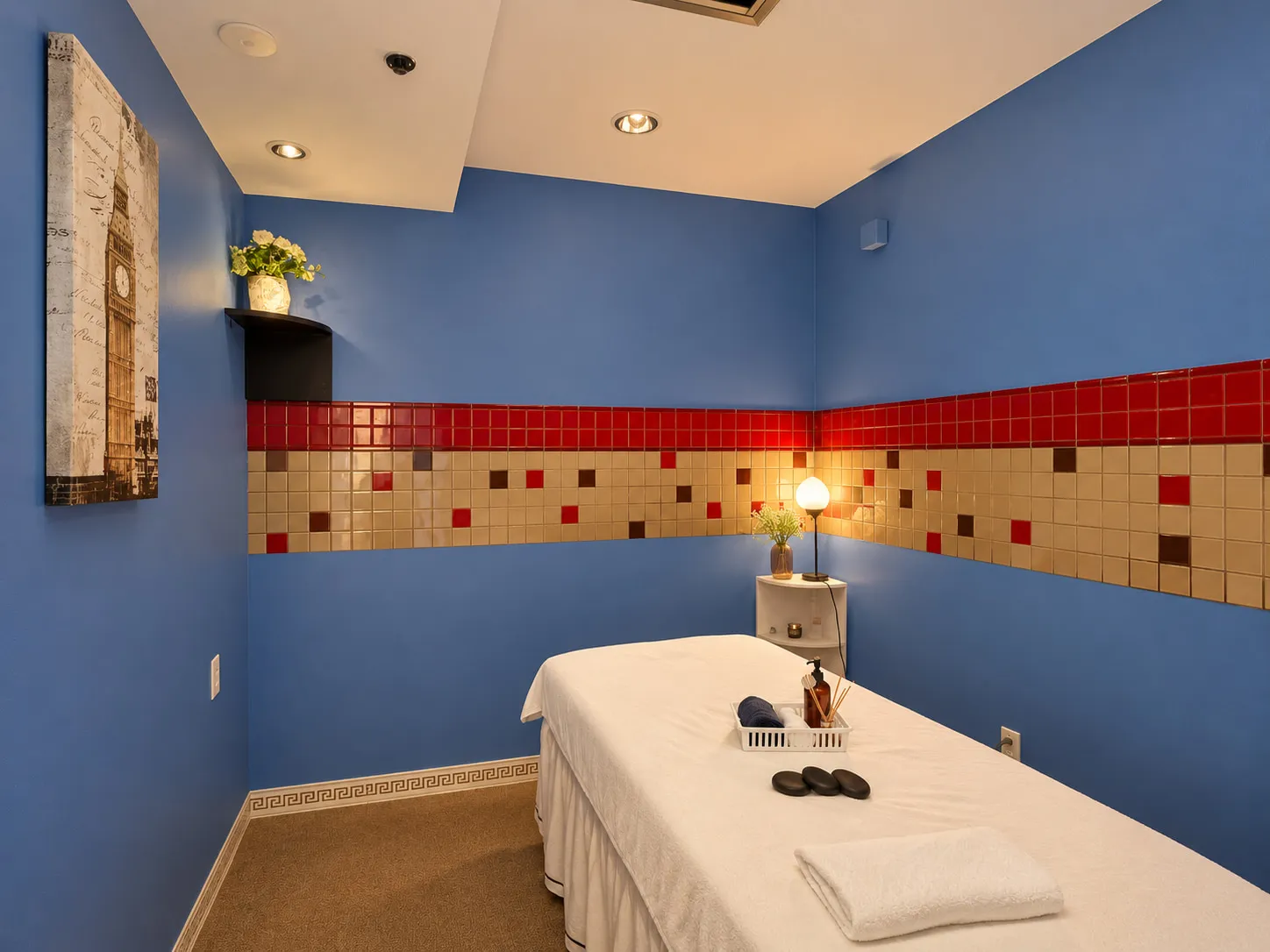
What can massage do for you, according to the evidence?
For several conditions, massage may help you feel better, often for a short time. NCCIH says much of the research on massage is preliminary or conflicting, though a fair amount points toward some benefit for pain and other symptoms. Knowing the specifics keeps you from paying for promises no therapist should make.
For low-back pain, NCCIH calls the evidence weak, and the guidelines split on chronic pain. The American College of Physicians, in its 2017 guidelines, listed massage as an option for acute and subacute low-back pain, but not for chronic low-back pain. A 2016 Agency for Healthcare Research and Quality evaluation of 20 studies found massage helpful for chronic low-back pain, and graded the strength of that evidence as low.
Mayo Clinic reads more positive on stress and mood: several studies found a decrease in stress chemicals such as cortisol, and massage releases endorphins, the body's natural painkillers. Mayo also notes that in most studies people report improved overall well-being, and points to ordinary reasons: a quiet, pleasant room, the structured manipulation of muscle and tissue, and caring human touch. Its summary fits in one line: a massage may help you relax, but it can't cure everything that ails you, and done incorrectly, it could hurt you.
Before your next booking, do three things. Look up the license. Send your doctor a one-line note that you are trying massage. Write down two or three of the questions above to ask on the phone.
| Condition | Evidence | Size | What it found |
|---|---|---|---|
| Low-back pain | 2015 review | 25 studies, 3,096 people | Short-term pain improvement, but the studies were low quality and reviewers had "very little confidence" in massage as a treatment |
| Neck & shoulder pain | 2013 review | 12 studies, 757 people | More helpful than inactive therapies, no better than other active ones; shoulder benefit was short-term only |
| Knee osteoarthritis | NCCIH's count | 6 studies, 408 people | 5 of the 6 found short-term pain relief |
| Migraine | 2011 trial | 83 people | Adding hand massage to behavioral treatment had no effect on migraine frequency |
| Cancer symptoms | 2016 evaluation | 19 studies, over 1,200 people | Some evidence for pain and anxiety; NCCIH rates its quality very low |
| Fibromyalgia | 2014 evaluation | 9 studies, 404 people | Pain, anxiety and depression improved when massage continued at least 5 weeks; no effect on sleep disturbance |
| HIV/AIDS | 2010 review | 4 studies, 178 people | May improve quality of life; little research, with few people studied |
Questions people ask
Do massage therapists need a license in Florida?
Yes. Florida licenses massage therapists and massage establishments through the Board of Massage Therapy, and anyone can check a license on the Department of Health's public license search. Nationally, NCCIH reports that 45 states and the District of Columbia regulate massage therapy, typically requiring graduation from an approved program and a passing exam score.
What is the difference between a license and NCBTMB certification?
A state license is the legal requirement to practice. Certification from the National Certification Board for Therapeutic Massage & Bodywork is voluntary and comes on top of it, with 3 requirements: specific educational standards, a background check and an exam. In Florida, check the state license first.
Is deep tissue massage safe?
For most people the risk appears low. NCCIH notes that some of the rare reported harms (blood clots, nerve injury, bone fracture) involved vigorous techniques such as deep tissue massage, or people already at higher risk, such as elderly people. Tell the therapist about your health and medications, and ask for lighter pressure if anything hurts.
How can I tell if a massage therapist is good?
Look for plain answers and a willingness to adjust. A good therapist can tell you about their license and training, asks about your health and medications before starting, and lightens the pressure as soon as you ask. Mayo Clinic says you should not feel significant pain during a massage. If someone gets cagey about credentials or cost, choose someone else.
Does massage therapy work?
The evidence is uneven. NCCIH calls much of the research preliminary or conflicting, with short-term benefit signals for low-back pain, neck and shoulder pain, and knee osteoarthritis, often from low-quality studies. Mayo Clinic reads more positive on stress, citing lower cortisol and released endorphins. The fair summary: massage may help you feel better, often for a short time.
Sources
- NCCIH — Massage Therapy: What You Need To Know
- NCCIH — 6 Things To Know About Massage Therapy for Health Purposes
- Mayo Clinic — The role of massage therapy for mental health
- Florida Board of Massage Therapy
- Florida Department of Health — License Verification search
Written by Wellness Massage Spa from the primary sources above. Sessions at our Gainesville studio are performed by licensed massage therapists; Florida licenses every therapist through the Florida Board of Massage Therapy.
This guide is for general education only and is not medical advice. Talk with your healthcare provider about what is right for you.
Ask us first
Call with any question on this list before you book
Our licensed massage therapists are highly skilled and experienced. Tell your therapist about medications, recent surgery, tender areas or the pressure you like before the session starts. A 60 minute Swedish Massage, the style NCCIH calls the most common in Western countries, is $80.
Wellness Massage Spa · 5750 SW 75th Ct Ste 20, Gainesville, FL 32608 · (352) 339-6646 · Open daily 9:30 AM – 10 PM.